Ogden UT Ogden Psychological Services

Ogden Psychological Services

801-505-6545
Patient Portal
  • Trauma Therapy
  • Counseling
    • Children and Teens
    • Marriage/Couple Counseling
    • Individual Counseling
    • Family Counseling
  • Issues We Treat
    • Trauma & PTSD
    • Depression
    • Anxiety
    • ADHD
    • Anger Management
    • Autism
    • Postpartum Depression
  • About Us
    • Meet Our Team
    • Blogs
    • FAQ
    • Insurances Covered
  • Contact Us

What Is Bipolar Disorder?

Home | Mental Health Services | Page 7

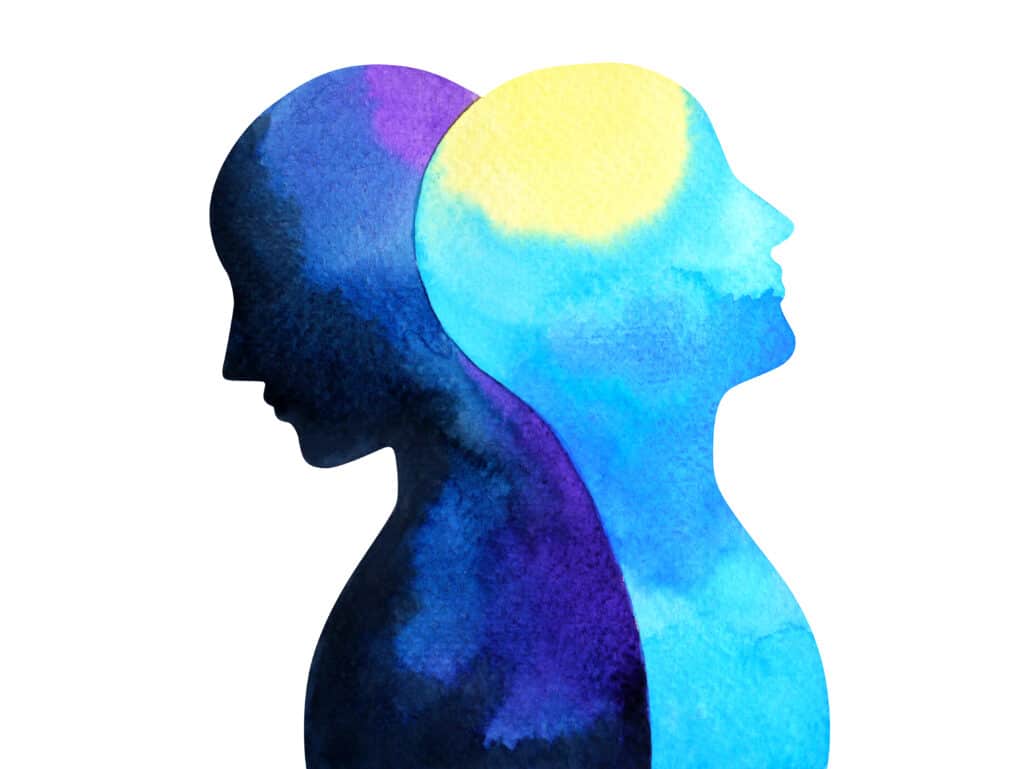
What is bipolar disorder?

The mental health diagnosis of bipolar disorder refers to the severe highs and lows of manic episodes and depressive periods. Once referred to as manic-depressive disorder, those with bipolar disorder experience extreme shifts in mood, thinking, and behavior. The cycles of bipolar can last for weeks or even months and are so severe that they often affect the person’s work or school function. These mood swings or behavior shifts can make it challenging to maintain relationships, keep a job, and affect your ability to function in daily life and may lead to suicidal thoughts.

If you or someone you know is struggling with suicidal thoughts, please call the suicide hotline at 988 or dial 911. 

Manic And Depressive Episodes

Each person with bipolar disorder is different, but they will all experience periods of manic (heightened energy, euphoria) and depressive (irritability, guilt, hopelessness) actions. While the steps may look different for different patients, there is a cycle that most bipolar people experience.

The process of bipolar disorder includes severe mania, mania, hypomania, depression, and mixed episodes. Each stage has its own symptoms that can make a person feel larger than life, or experience suicidal thoughts.

Mixed episodes consist of symptoms from both mania and depression. This can be confusing to navigate because bipolar episodes usually last for longer than just one day. Many bipolar patients seek therapy to help them try to understand their impulses. Mixed episodes can look like having irritability and depressive thoughts, while also experiencing anxiety and insomnia. The combination of high energy and depressed mood leads to a higher risk of suicide. 

Symptoms

In the sections above, we have mentioned some symptoms of different episodes. Not all bipolar patients are the same, so you may have other symptoms not listed here. 

Other common symptoms include:

Bipolar depression
  • Sleeping very little but still feeling energetic
  • Grandious beliefs about one’s self and abilities
  • Racing thoughts or quickly changing from one thought to another
  • Impulsiveness
  • Hallucinations
  • Inability to concentrate
  • Impaired judgment
  • Extreme productivity
  • Inability to experience pleasure
  • Feelings of grief or sadness
  • Appetite or weight changes
  • Memory problems 
  • Guilt
  • Mental sluggishness
  • Suicidal thoughts

Bipolar I

Inside the diagnosis of bipolar disorder, there are different types. Bipolar I is the classic manic-depressive form of the illness. Those with Bipolar I have at least one manic episode, and sometimes one depressive episode. 

Bipolar II

Those with Bipolar II don’t experience extreme manic episodes but instead only experience hypomania. Bipolar II patients will experience severe depression in the cycle though. 

Cyclothymic Disorder

This is the mildest form of bipolar disorder because patients only have cyclical mood swings and less severe symptoms than those with one or two. 

Dealing With Bipolar Along With Other Mental Health Diagnoses

Many people who struggle with bipolar disorder also deal with other mental health diagnoses. This can make symptoms worse or feel overwhelming for many people and increase the risk of suicide. 

What Is Bipolar Disorder?

Some other diagnoses that those with bipolar can also have are anxiety, ADHD, OCD, eating disorders, or psychosis. Determining family health history and past health conditions can help a specialist recommend the right treatment. Many people start out on antidepression medication, but this may not work to help the symptoms of ADHD or other hyperactive symptoms during bipolar episodes. Working to treat bipolar symptoms may take an extensive amount of time and a lot of trial and error. 

Therapy For Bipolar Disorder

Navigating your symptoms can be challenging, especially when you feel that something is a good idea at one point, and regret it the next. Working with a licensed therapist can help you learn what decisions or feelings are causing your harm, and help you find the right medication to manage your symptoms. 

Bipolar is a lifelong illness, but finding the right treatment methods can help make symptoms more manageable. With the right medication or therapy techniques, bipolar patients can live relatively uninterrupted lives. 

Ogden Psychological Services helps patients with many mental illnesses get back to a more controlled life. We offer individual counseling, trauma therapy, neurofeedback, and couples counseling to help you in all aspects of life. Working with our team will give you satisfaction and the proper tools to handle your symptoms in the real world. We work hard to make our office feel inviting and a safe space for everyone. 
Our therapists would love to work with you. Call our office or visit our location in Ogden, UT to get started.


Filed Under: Mental Health Services

Ogden Psychological Services Therapy

As the weather continues to warm up, getting out into the sun can be beneficial for your physical and mental health. Sunlight can have numerous benefits that can make you a healthier person that has the motivation and energy to complete daily tasks. Sunlight helps us to get Vitamin D which the body needs to help regulate blood pressure, depression hormones, and your immune system. Getting enough Vitamin D can be hard during the winter season, so getting Vitamin D from other sources can help you feel normal. Below are more benefits that can come from seeking more sunlight and boosting your serotonin and Vitamin D. 

1- Limit Stress

One of the biggest benefits of sunlight is a boost of melatonin which lowers stress reactivity. Being outside helps your body to more naturally produce melatonin and reduces your stress level. If you are overly stressed and want something to help clear your head and limit your body’s reaction to stress, try walking or exercising outside to increase hormone production. 

2- Fight Depression Symptoms

Vitamin D can help curb depression symptoms and boost your mental health. Finding sunlight can be hard to find during the winter, but any extra sunlight you can get will help bring you farther out of the depth of depression. Sunshine also boosts serotonin which can help you stay calm. Serotonin also helps people feel happier and more at peace with their situation. 

Getting just an hour of sunlight can help serotonin and Vitamin D which you desperately need when your mental health is at a low point. 

3- Help Extend Your Life

The idea of dying young is not appealing to think about, so extending your life to see how life plays out is something that adults should strive for. Extending your life can be helped by getting enough sunlight. A study has shown that those in Sweden who spent more time in the sun lived up to two years longer than those with less sun exposure. While research still needs to continue, it can’t do much harm to get more sunlight, even if the life extension is not completely true.  

Benefits of sunlight

4- Improve Metabolism And Immune Function

While your metabolism and immune system have to deal with your physical health, having a healthy body can improve your mental well-being. Sunlight has multiple benefits because it helps you to be physically and mentally well. Metabolism and immune systems help us to process foods, fight off illness, and improve our absorption of vitamins. 

Studies have also shown that sunlight can lower the risk of high blood pressure, excess body fat, and high blood pressure. Exercising and daily life are much easier when you feel healthy and energized. 

5- Increased Energy

Having more energy as an adult can be hard, but proper diet, exercise, and enough sunlight can help boost your energy levels. After working all day or chasing kids, you may feel like taking a long nap, but getting out in the sunlight and moving your body will actually make you feel more motivated. Being out in the daylight signals to your brain that you need to be awake and alert which will make you more lively during the remainder of the day. 

As the weather starts to warm, take advantage of any small moment of sunlight you can get. It can help you feel better about upcoming challenges and help you feel healthier. Winter can be long and difficult, but the sunlight will be more prevalent in the coming weeks.

Ogden Psychological Services

Ogden Psychological Services

Working with our trained counselors and therapists can help you stay on top of your mental health. Our team understands that trying something new or working through past trauma isn’t easy, but we work hard to make you feel as comfortable and safe in our office as possible. 

We treat a wide range of mental health diagnoses and behavioral issues including, Autism, ADHD, Depression, Trauma, PTSD, and more. Ogden Psychological Services also offers Neurofeedback, which can help the brain become more organized without the need for strong medications. This helps you avoid unwanted side effects while helping the brain waves become more regulated. Contact our office to schedule your first appointment today. 

Filed Under: Mental Health Services

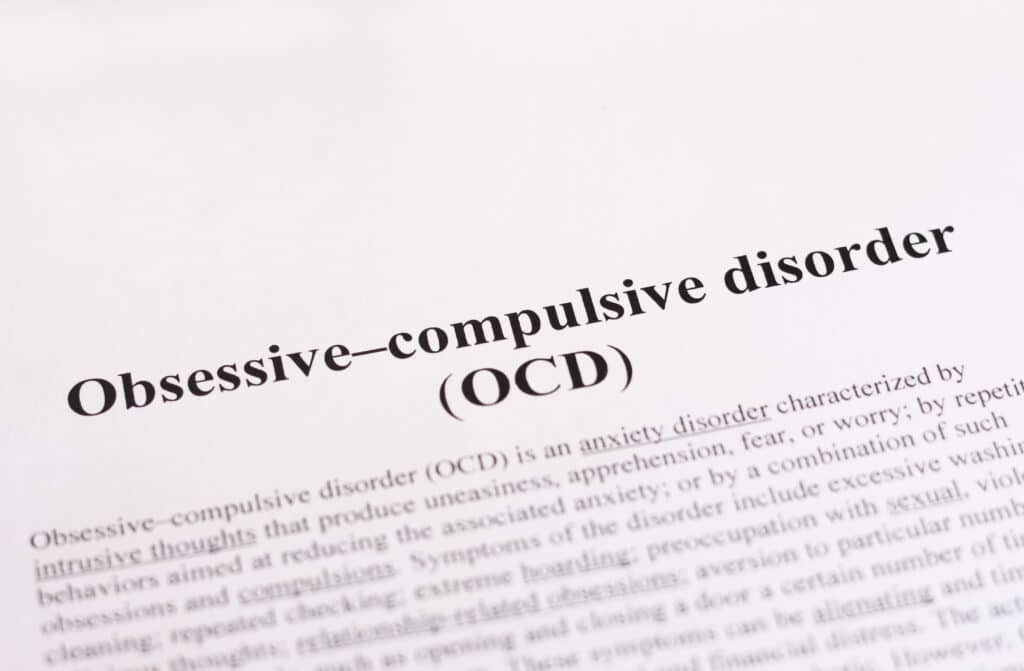
Obsessive Compulsive Disorder or OCD

Disorders like OCD can dictate many areas of your life and limit the enjoyment of certain activities. Opening doors or even driving can illicit real fears in those with obsessive compulsive disorder. Therapy has been shown to improve symptoms of OCD and help you learn to control your compulsions. Ogden Psychological Services can help provide multiple therapy options for patients and gain more control of their life. 

What Is Obsessive Compulsive Disorder?

OCD is a chronic disorder where a person has uncontrollable, reoccurring thoughts and behaviors that they feel the urge to repeat over and over. Engaging in these obsessions and compulsions helps to ease the person’s anxiety even if they are not rational. It can be difficult to complete other tasks when negative and intrusive thoughts require you to complete an action before you can begin your other task. 

Studies have shown that 1 in 50 men and women have OCD in the United States. Suffering from other anxiety, eating, and other disorders is common in those who also experience OCD. 

Facing Fears

When seeking therapy for OCD, the first thing a therapist will work with you on is facing the fears you currently have. This can be really tough for some patients and will require quite a bit of work. Overcoming fears is not something that happens overnight, but with the right therapy techniques, working to show that fears do not have to control us can help those with obsessive compulsive disorder. 

Behavioral Therapy

There are a variety of behavioral therapies that can be used for anxiety or OCD. Exposure and response prevention (ERP) is a popular method that gradually exposes the patient to obsessions and they work to avoid or manage their compulsions towards it. This can be done at any pace and a therapist should never force a patient to do something they are totally uncomfortable with.

Trauma Counseling Ogden Psychological Services Therapy in Ogden Utah Therapy in Riverdale Therapy in South Ogden Therapy in Washington Terrace

Therapy will be uncomfortable, but fear and anxiety over certain actions are very real and are often linked to trauma. Overcoming obsessions and compulsions can start by working with the ones that don’t bother you that much and working up. The more you repeat the easier tasks without the compulsion, the easier the other tasks will become. 

Other behavior therapies that can be used include imaginal exposure, habit reversal training, and cognitive therapy. 

Therapy Doesn’t Work Overnight

Just like any habit, your OCD will not disappear overnight. Working in therapy is helpful for OCD patients because it is gradual and allows you to make mistakes and work towards a goal. When you jump into cold water, your body feels an initial shock, but the longer you are in the water, the more comfortable it becomes. Your body and brain will adjust to new practices with repetition and cognitive work. 

Physical Or Mental Obsessions

Each patient with OCD will be vastly different, but there are some common obsessions that therapists see most often. Some of these obsessions include: 

  • Fear of germs or contamination
  • Unwanted forbidden thoughts about sex, religion, or harm
  • Intrusive and aggressive thoughts
  • Having items in symmetrical or perfect order
  • Superstitions or not doing something will cause negative results
  • Doing a task until it is perfect

Dealing with obsessions and their following compulsions can cause you to miss important appointments or just enjoy your day. Therapy can help you work on these compulsions in a controlled environment while working with a medical professional to see if the medication can also help.

Medication For OCD

Taking medication for OCD requires an individualized treatment plan while visiting an OCD specialist. Many prescriptions can help reduce OCD symptoms so that you can function better day to day. 

When patients start taking any new medication, side effects can happen. Working to find the right medication with the right dosage can take some time. Work with your doctor to find an OCD medication that has the least amount of side effects for you and that helps you actually see the benefits. It will take time and patience to find what medication really works, as it takes at least a month for your body to truly adjust to the medication. Referring to our earlier discussion on how your OCD will not disappear overnight, prescription medicines will not take all your symptoms away in one day either. 

Treatment With Ogden Psychological Services

Dealing With OCD

Our therapists work to treat each patient with an individual mindset. We work towards your goals and only suggest techniques that we truly feel will help you.

Working with a therapist and asking for help is not a sign of weakness, but rather a sign of strength in taking charge of your health. Mental health is taken just as seriously as any other health issue in our office. When you work with OPS, you will have peace of mind that we will make you comfortable at each visit and want to see your progress. Taking privacy seriously, working toward your unique goals, and empowering clients are important to all of us here at Ogden Psychological Services. Contact our office today or fill out a contact form on our website. 

Filed Under: Mental Health Services

  • « Previous Page
  • 1
  • …
  • 5
  • 6
  • 7
  • 8
  • Next Page »

Ogden Psychological Services strive to put you at ease in our behavioral health clinic and hope that you will find the environment safe, secure and comfortable.

Links

Neurofeedback Counseling Issues We Treat About Us Contact Us
Address

1186 East 4600 South, Suite 110
Ogden, Utah 84403

Phone

801-505-6545

Fax

(801) 823 - 2347 [Fax]

  • facebook
  • twitter
  • linkedin
  • pinterest

Medical Disclaimer: Information on this site is not medical advice and is for educational purposes only. No doctor-patient relationship is formed. Click here for Full Legal Disclosures


2026 | Ogden Psychological Services | All Rights Reserved | Privacy Policy | Terms | Accessibility Statement | Anti-Discrimination Disclaimer | Healthcare Disclaimer | HIPAA Notice of Privacy Practices | XML Sitemap | Sitemap | Site by PDM