
Ogden UT Ogden Psychological Services

Ogden Psychological Services

(385) 316 - 6245
Patient Portal
  • Trauma Therapy
  • Counseling
    • Children and Teens
    • Marriage/Couple Counseling
    • Individual Counseling
    • Family Counseling
  • Issues We Treat
    • Trauma & PTSD
    • Depression
    • Anxiety
    • ADHD
    • Anger Management
    • Autism
    • Postpartum Depression
  • About Us
    • Meet Our Team
    • Blogs
    • FAQ
    • Insurances Covered
  • Contact Us

Mental Health In Aging Adults

Home | Mental Health Services | Page 3

Aging adults and mental illness

Taking care of our mental health is important throughout all different seasons of life. For aging adults and seniors, new challenges can arise that may cause a dip in your mental health. Mental healing is a journey, especially when life tests our resilience. 

Our therapy practice believes that constant work is needed to keep up our mental stamina. Working to learn about your unique situation in life and come up with coping strategies that work for you is the best way to keep your brain sharp. Below are some tips and insights about mental health in aging adults that we think can help. 

Why Is Mental Health Important?

As we age, our brains can begin to deteriorate and may need extra stimulation to stay sharp. Our mental health and ability to cope with stress can also change as we get older. It is important for all people to stay on top of their mental health especially as we age. 

Good mental health helps people to have a better quality of life in their senior years. Keeping your brain clear and active can make aging much more enjoyable. Taking care of our mental health can also limit physical health issues as well. When you work on your mental health, you are better equipped to exercise, eat well, and stay on top of relationships. 

Challenges In Maintaining Mental Health As We Age

Every season of life will look a little different. It comes with its own set of challenges, highs and lows, and health challenges. Maintaining mental health as aging adults can be difficult for a variety of reasons, but here are a few common ones. 

Financial Struggles

All people experience financial struggles at some point in their lives. Retirement and financial insecurity can be very stressful for aging adults. Some adults have the challenge of continuing to provide financially for adult children. Others may have unsettled debt that they don’t want to pass on to their children. Compounding stress of any kind can have an impact on your mental well-being. 

Isolation

When a partner has passed or other close family members, it can feel isolating. Aging adults often feel more isolated as their children start their own families, or they lose those who are closest to them. 

Cognitive Changes

Many older people struggle to age or experience depression symptoms because they need help doing things they used to be able to do on their own. As technology advances, older generations may also feel inadequate about using smartphones or computers as well. Feelings of inadequacy can lead to more mental health issues. 

cognitive changes

Physical Limitations

Having trouble walking, going upstairs, driving, or exercising can affect your mental well-being. Those with chronic conditions or hospice patients may experience more mental illness than other aging adults because of their lack of physical movement. 

Ways To Help Improve Your Mental Health

Your mental health can be drastically improved when you improve your coping skills and implement physical activity. Here are some recommended ways to help improve mental capacity in aging adults. 

Physical Activity

Working out can be a great way to improve your mental well-being. Even if you can’t run or do strenuous workouts, there are still ways to move your body and release stress. Walking, water aerobics, biking, or dancing can all help aging adults without causing more damage to their bodies.

Healthy Diet

A well-balanced diet can improve multiple aspects of your life. A healthy diet can help you feel better, look better, and function more efficiently. Including more fruits and vegetables in your diet can give you the nutrients that your brain needs to stay healthy. Your cognitive function is improved when you eat the right foods. 

Social Interaction

As you build new social connections your mental health will be elevated. As we age, we often lose friends and family members who were our closest confidants. Volunteer groups are a great way for aging adults to maintain social skills and build friendships. Serving the community or attending town events is another way to build relationships with those around you. Your neighbors and other townspeople can become some of your biggest supporters in times of need. 

Mindfulness And Meditation

mindfulness and meditation

Another practice that is recommended by mental health professionals is the practice of mindfulness. This can help reduce stress and clear your mind of worries. The greatest benefit of meditating and practicing mindfulness is that they are free and easily accessible. You can find free apps or videos online to help you get started. 

Professional Help

It can be overwhelming at times to manage mental illness on your own. Working with a therapist can help you have a sounding board to share your worries with and bounce ideas off of. A therapist can provide an outside perspective and coping strategies that are tailored specifically to you. 


Our therapists at Ogden Psychological Services provide couple counseling, individual counseling, trauma therapy, and more. No matter what age or life stage you are in, therapy can be the answer to better healing.


Filed Under: Mental Health Services

Ogden Psychological Services ADHD Burnout

Mental illnesses can cause people of all ages to experience thoughts of inadequacy, sadness, or loneliness. Imposter syndrome can limit those who experience it from reaching their full potential and may cause their job performance or daily function to deteriorate. People who feel like an imposter may believe that their presence isn’t needed, or that they should abandon their current career path. Below is some more information about imposter syndrome, symptoms you may experience, and ways to overcome these feelings. 

What Is Imposter Syndrome?

The feeling of being less than is common among other mental illnesses, but imposter syndrome typically revolves more around thinking you don’t deserve to be where you are, or that those around you know everything, and you are lost. Those who struggle with imposter syndrome often feel like they are a fraud which keeps them from achieving their full potential. 

Some other common symptoms that accompany this imposter persona include:

  • Crediting other things like luck for their success
  • Fear of being seen as a failure
  • Thinking overworking is the only way to meet expectations
  • Downplay accomplishments
  • Low self-confidence
  • Holding back from going after opportunities or goals
  • Feeling unworthy of attention
  • Trouble making decisions (about children, projects, or large purchases)
  • Avoid sharing opinions with others
  • Refusing affection or saying they don’t deserve it

Who Can Experience Imposter Syndrome?

It has been estimated that 7 in 10 adults experience imposter syndrome symptoms at one point or another. Feelings of inadequacy can occur in many people, but continuing feelings can be a sign of a larger issue. 

Some studies have shown that imposter syndrome often occurs in those who are hard workers, who have high-paying jobs, or who deserve attention. Doctors, lawyers, parents, service members, and more are often people who experience feelings of unworthiness. Women and men can both struggle with imposter syndrome. It is most common in adults, but it is not uncommon for teenagers to experience it as well. 

Imposter Syndrome, Ogden, UT

Ways To Cope And Limit Imposter Syndrome

When feelings of inadequacy are filling your brain, it can be hard to find hope or see your good works. Coping with imposter syndrome is possible when done the right way. Cognitive training and therapy can be helpful in improving how you see yourself. 

Separate Feelings From Fact

More often than not, feelings of imposter syndrome are not factual. Just because you think these things, or read into interactions with others as being negative, doesn’t mean that this reflects your actual competence. Understanding that these are just feelings will help remind you that you are capable of doing whatever you set your mind to, as well as learning from your mistakes. 

Don’t Compare Yourself To Others

You have probably heard the saying “comparison is the thief of joy.” This means that looking at the achievements or possessions of others and comparing yourself to them can make you feel inadequate. Comparison creates unrealistic expectations and can actually lead you to make unnecessary mistakes. 

The contributions that you bring to your unique situation are valuable. Whether you are experiencing imposter syndrome at work or at home, your skills and knowledge are appreciated. Looking at what others are doing will not be helpful in making you a better person. 

Make Note Of Your Accomplishments

While learning from your mistakes can be beneficial, listing your accomplishments can also be helpful when overcoming imposter syndrome. Save emails from your boss that point out your excellent work in a special folder, hang drawings or cards from your kids on the fridge, or write down ways you have served others this year. 

Reframe Your Mindset Around Growth

Making a mistake can be a little embarrassing, but mistakes and learning experiences can help us become better people. Life is a journey and many experiences are chances to learn from. Feeling like a fraud means that you are more aware of how your actions impact others. Learning from moments of weakness will help strengthen your resolve for the future. 

Imposter syndrome, Ogden Utah

Speak To A Therapist

Imposter syndrome and other mental illnesses can become debilitating. When it starts to impact your daily performance or you start to lose interest in hobbies, it is time to speak with a therapist. Working with a therapist can help change your mindset around your accomplishments and give an outside perspective on how your contributions matter.


Our therapists at Ogden Psychological Services are happy to work with patients of any background or who are struggling with any issues. We use evidence-based approaches to help patients reframe their thinking and meet their personal goals.

Filed Under: Mental Health Services

mood disorders

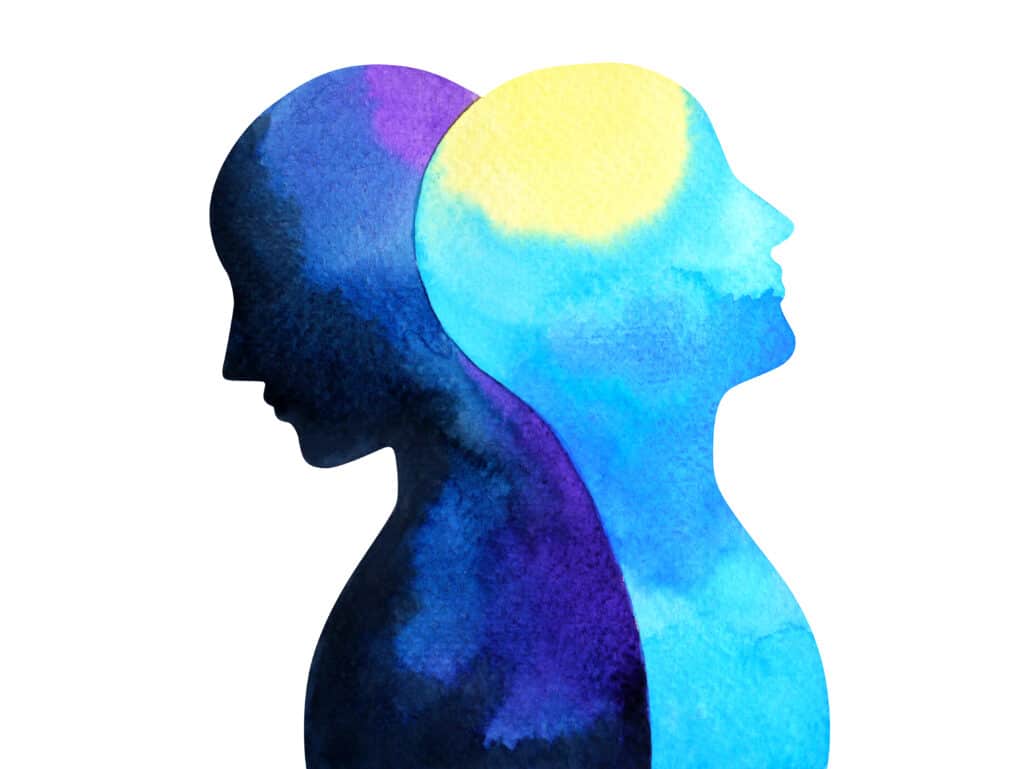
There are many categories of mental illness that are recognized by the DSM 5 (Diagnostic and Statistical Manual of Mental Disorders, Version 5), and most of them fit into these 4 common categories. All mental illnesses should be taken seriously. Some disorders can harm a person’s health or make it extremely difficult to function in society. Many symptoms of mental illness can be better regulated with medication or therapy. We will break down just a few mental health diagnoses in each category. 

Mood Disorders

These mental illnesses are typically caused by an imbalance of brain chemicals or stressful life changes. Mood disorders also tend to be passed down from family members.

Depression

The most common mood disorder is depression. There are multiple subcategories inside the mood disorder of depression like Seasonal Affective Disorder. Major depression can cause people to withdraw from family members, lose interest in hobbies, struggle to see anything good in life, and may have mood swings. The difference between normal feelings of sadness and a depression disorder is that the feelings of hopelessness are prolonged for months or years. 

Bipolar Disorder

Unusual shifts in mood make it difficult to go about daily life when you have bipolar disorder. Those with bipolar disorder will go through stages of mania and depression which will change their energy levels and behaviors. The cause of bipolar is still unknown, but brain structure, genetics, and the environment can play a role. 

Hypomania

Those with hypomania experience extremely heightened emotions. Extreme happiness can occur at one moment and the next can come with highly aggressive behavior. Some people with Hypomania Disorder will have rushed speech, a highly inflated self-esteem, reduced need for sleep, or racing thoughts. 

Causes of Hypomania can include:

  • Genetics or previous history of bipolar
  • Side effects of certain medications
  • Recreational drugs
  • High levels of stress
  • Traumatic or emotional experience 

Anxiety Disorders

Those with anxiety disorders experience heightened worry, panic, or even obsessions that could be rational or irrational. This can cause severe stress and it will be hard for those with anxiety to set aside the worry while going about their life. 

Disorders in the categories of mental illness can also present as physical symptoms. Other symptoms that come with anxiety can include fatigue, sweating, trouble sleeping, gastrointestinal problems, avoiding activities, and restlessness. 

Panic Disorder

Panic Disorders involve repeated episodes of fear, terror, and anxiety. These usually look like rapid breathing, heart palpitations, or chest pain. The person experiencing the panic attack can have terror about many different situations, even before they have occurred. 

Ogden Psychological Services Anxiety

Many people with panic attacks have impending doom about stressful situations or interactions they are nervous about, just minutes after learning about them. Panic attacks can occur multiple times up to the event and during the event. 

Generalized Anxiety Disorder

Those with general anxiety disorder have persistent feelings of worry and anxiety. It often occurs alongside other anxiety disorders as well. Anxiety causes concern about routine events, upcoming interactions with others, and irrational fears. It can control how a person reacts and acts physically. 

Agoraphobia

This form of anxiety makes people fear and avoid places or situations that may cause them to feel trapped, helpless, or embarrassed. This fear can translate to any situation, even if it is with family members or with people they are comfortable with. Many people with Agoraphobia benefit from certain antidepressants like Prozac or Zoloft. 

Personality Disorders

Personality mental illnesses affect how a person sees the world around them and how they view themselves. Usually, people are adaptive to the world around them and their personalities may flex when they are with different people or in certain environments. Those with personality disorders have a hard time connecting and trusting others. 

Narcissistic Personality Disorder

People with the disorder are often preoccupied with fantasies of power, wealth, beauty, fame, or the perfect romance. They often believe that they are better than their peers. While Narcissists may seem like they have unbreakable self-confidence, many of them can experience guilt or shame when their weaknesses are brought to light. 

Borderline Personality Disorder

Those with Borderline Personality Disorder struggle to regulate their emotions. These people can be very impulsive and struggle to form lasting relationships. Those with BPD will struggle with the fear of abandonment as well as have rapid changes in their self-identity. Personality disorders can also cause a person to perform risky behaviors like gambling, substance abuse, or risky sexual activity.

Paranoid Personality Disorder

Long-term distrust or suspicions of others are what plague those with PPD. Personality categories of mental illness are usually based on the person’s eccentric thoughts or actions. PPD individuals do not experience hallucinations, but they are constantly on guard and believe that people are going to harm them. 

Psychotic Disorders

These disorders are considered psychotic in the categories of mental illness because they cause people to have a loss of reality. They directly affect a person’s ability to think and rationalize. While many of these disorders can be treated, severe symptoms make it hard for people to live a normal life. 

Categories of mental illness, Ogden, UT Bipolar Disorder, Ogden, UT

Schizophrenia

This disorder causes hallucinations and delusions that last longer than 6 months. Schizophrenic patients may also struggle to show emotion or connect with people on a deeper level. Because of their delusions, patients with schizophrenia may lose trust in others over something they believe to be true even if it is not. 

Substance Abuse Psychotic Disorder

Not all mental illnesses are passed down through genetics or are a result of trauma. Using drugs or other substances can alter your brain in similar ways to a psychotic disorder. The withdrawal from drugs can cause hallucinations and outbursts. Delusions can cause people to hear, see, or feel something that is not really there. This could lead to harm to themselves or others. 

Delusional Disorder

Those with delusional disorder obviously experience delusions, but it typically focuses on one or a handful of delusions that are firmly held. The delusions could be something that is likely to occur (like the deception or cheating of a spouse) or it can be unrealistic, (being stabbed but having no scars). There are multiple types of Delusional Disorders, including:

  • Jealous
  • Erotomanic (romantic)
  • Persecutory
  • Grandiose
  • Somatic (bodily) 

Dealing With Different Mental Illnesses

No matter what categories of mental illness your diagnosis may fall under, seeking help is always a healthy option. Working in talk therapy and taking medication can help you manage your symptoms and build better interpersonal relationships. 
Ogden Psychological Services works to treat many mental illnesses and even offers Neurofeedback for certain patients. If you believe that therapy would be helpful for you, feel free to fill out our contact form. We are also available to answer any questions you may have.

Filed Under: Mental Health Services

  • « Previous Page
  • 1
  • 2
  • 3
  • 4
  • 5
  • …
  • 8
  • Next Page »

Ogden Psychological Services strive to put you at ease in our behavioral health clinic and hope that you will find the environment safe, secure and comfortable.

Links

Neurofeedback Counseling Issues We Treat About Us Contact Us
Address

1186 East 4600 South, Suite 110
Ogden, Utah 84403

Phone

(385) 316 - 6245

Fax

(801) 823 - 2347 [Fax]

  • facebook
  • twitter
  • linkedin
  • pinterest

2026Ogden Psychological Services | All Rights Reserved | Privacy Policy | Terms | XML Sitemap | Sitemap | Accessibility | Anti-Discrimination Site by PDM