
Ogden UT Ogden Psychological Services

Ogden Psychological Services

(385) 316 - 6245
Patient Portal
  • Trauma Therapy
  • Counseling
    • Children and Teens
    • Marriage/Couple Counseling
    • Individual Counseling
    • Family Counseling
  • Issues We Treat
    • Trauma & PTSD
    • Depression
    • Anxiety
    • ADHD
    • Anger Management
    • Autism
    • Postpartum Depression
  • About Us
    • Meet Our Team
    • Blogs
    • FAQ
    • Insurances Covered
  • Contact Us

What To Do If Your Spouse Refuses To Attend Therapy With You

Home | Neurofeedback | Page 5

Marriage Therapy Ogden Utah, Spouse refuses therapy

Choosing to attend couples therapy or marriage counseling can be a tough choice. If your spouse doesn’t share your same resolve to attend therapy, this can be frustrating and may make you feel powerless. While you may feel that there is nothing you can do, there are helpful actions that you can take. Just remember that forcing someone to go to talk with a therapist, likely will not yield the best results.

Validating concerns for both parties might be a good place to start. Seeking help through a therapist for yourself first could also help your partner or spouse see the helpful effects of therapeutic treatment. 

Try Not To Let Fear Take Control

A common first reaction is to have fear about how your partner will react, or if they have already said no, fear that your relationship will never get better. Letting fear rule your decision-making is only going to make things worse. Many marriages go through phases where one partner wants to work harder on the relationship than others. It is understandable that you will have fear about attending therapy, losing someone you love, etc.

Fear may also be playing a part in their reluctance to attend therapy with you. Showing fear to your partner is not going to help put your mind at ease. Working to learn about why your partner is hesitant can help communicate about the benefits of therapy or if questions come out into the open. 

Mental Health Stigma

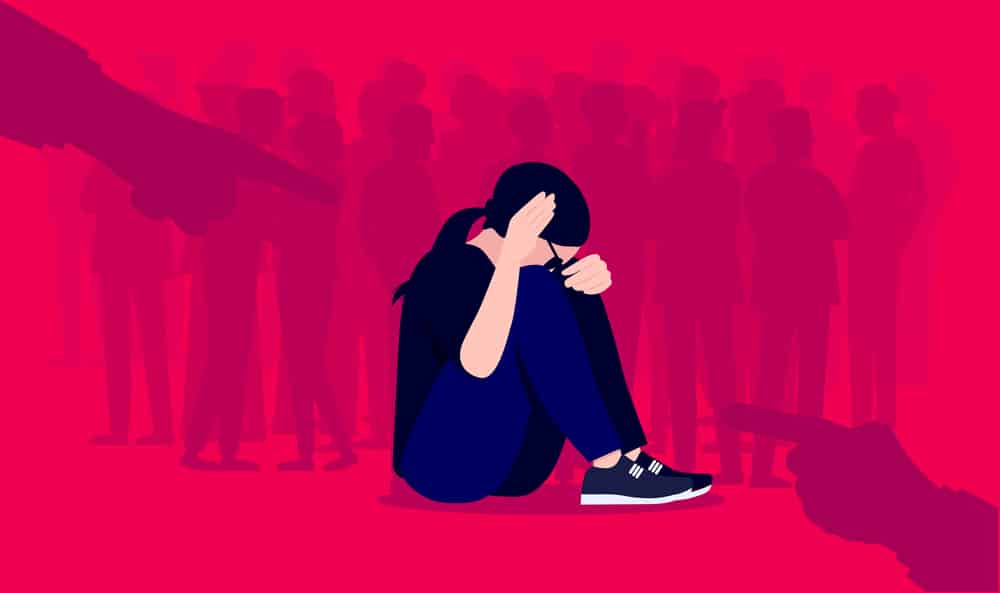
The stigma around mental health and seeking therapy is starting to reduce. But there is still this thought that “therapy is only for crazy people” or “I don’t need help.” Having these misconceptions can be a major reason why your spouse or partner is refusing to seek counseling. They may also be concerned that people will judge them or talk about their issues behind their backs.

Therapy can be a great tool, even if you feel your marriage is healthy. Therapy and talking with a third party can help to improve your communication and intimacy. Attending therapy does not always have to be about deep issues. Talking to your partner about these benefits may help them to see that your intentions are to elevate the relationship.

Ogden Psychological Services Therapy

Try An Alternative

While therapy is great, there are other alternatives that can work. You can ask your spouse what methods they would be open to. It is a possibility that talking once a week with just the two of you about what you need or talking about a specific issue can help improve your relationship. There are also self-help books and group classes that can take the pressure off of your spouse. Doing your own work to spend quality time together and validate their feelings can improve the quality of your relationship too. Take some time to get away, spend time without phones, or schedule date nights. 

Another alternative is to try therapy on your own. Improving yourself can help improve your relationships. As you make changes, your spouse can start to notice this and may try to improve themselves as well. They may also become more curious about what you discuss with your therapist and start to learn more about what takes place in a therapy session. Going alone can help you deal with the stress of your spouse refusing to attend therapy or figuring out the next steps. 

Is It Worth It?

Counseling can be more than worth it and can improve your relationship. It can be very effective if you trust the therapist and are open to having conversations about your relationship. There are multiple different methods that can be used during therapy that can work for different couples. 

Couples and marriage therapy can help you learn more about each other and what you need from the relationship. How committed you are to therapy is how effective it will be. You get out what you put in. Ogden Psychological Services wants to help find a method that works best for you. Our skilled therapists can work with individuals that are hesitant and do not take sides. 

Trauma Counseling Ogden Psychological Services Therapy in Ogden Utah Therapy in Riverdale Therapy in South Ogden Therapy in Washington Terrace

Therapy With Ogden Psychological Services

Working with Ogden Psychological Services can treat more than just relationship strain. We work with people that have autism, those who have anxiety and depression, or who have experienced PTSD. Our therapists are highly educated and want to help you accomplish your personal goals through individualized plans.

Attending therapy can be overwhelming and will be hard, but the benefits of therapy will help your life become more meaningful. Therapy can improve your communication skills, improve your relationships, and give you a better outlook on hard situations. Ogden Psychological Services wants to improve your brain function and outlook on life. Contact us today to schedule an appointment or ask us any questions.


Filed Under: Neurofeedback

Keeping up with your mental health is a lifelong process that can go through highs and lows. Even if you are working with a therapist, there may be times that you can not visit with them or something may come up between visits. There are ways that you can handle your mental health between therapy visits.

Mental health between therapy visits

Your therapist should give you tips for your everyday life on how to manage your anxiety and depression but there are self care and breathing exercises that you can use when life may throw a curveball. Ogden Psychological Services wants you to feel in control of your health and know that things will get better. Here are some tips to help you take your mental health into your own hands and improve your thought process while away from therapy. 

1- Exercise And Healthy Diet

You may have heard this a million times, but eating foods that fuel your body and exercise your muscles, this can help to improve your brain health too. If you have the capacity to take a walk, getting some fresh air can help clear your mind and allow you to think more clearly. 

Eating the right foods can help to boost your mood and reduce inflammation. Eating foods that are rich in omega-3 fatty acids, such as salmon, dark green leafy vegetables, nuts, seeds and legumes are all excellent brain foods. Eating too little or too much can cause stress and may make your mental health even worse. Keep in mind that eating the recommended amount of meals per day, can keep your mood elevated.

2- Make Your Health A Priority

As adults with mental health concerns, we often seem to think that our health is not a priority or we are being selfish. Putting your kids, husband, friends or others health before your own can prove detrimental. 

Putting yourself first may be hard, but there is no reason to struggle in silence when you have people in your life love you. When you put yourself first you will start to see yourself in a better light and can make steps to feeling less than. Taking charge of your mental health between therapy visits can make your next therapy session more productive.

3- Journal Your Thoughts

Putting your thoughts down on paper can help us to sort them in a healthy and nondestructive way. Journaling can be a way to let out your frustrations and process what you are truly feeling.

Journaling has been shown to help you remember things too. Writing down goals and advice from your therapist can help it stick in your brain for when you are overwhelmed. Writing down your feelings or what you have learned can help you to look back when you may dip in your mental health. Looking back on what you learned or the other hard things you have overcome could help give you a little push forward. 

Your therapist can also help you talk about your feelings that you wrote down once you get back in a session. Writing down details about your mental health between therapy visits will help your therapist to have an inside view of how you were feeling at the time. 

4- Confide In Your Support System

Have a family member or a friend hold you accountable or work with you on your mental health between therapy visits can make you feel less alone. While a trusted friend and family member can not give you clinical advice, they can be a shoulder to cry on or let out your feelings about something that is bothering you.

Therapy does not just have to happen in a therapist’s office. You can learn more about yourself and the world around you from others. You should not be afraid to reach out when you really need someone to talk to. 

Trauma Counseling Ogden Psychological Services Therapy in Ogden Utah Therapy in Riverdale Therapy in South Ogden Therapy in Washington Terrace

5- Apply Your Therapists Advice

If you have been going to therapy for a while, your therapist has probably given you some coping skills or tips to recall when you are in a tough situation. While you are away from them, you should put what you have learned to good use. Using your knowledge from your therapist can help keep you from spiraling or making a choice that could hurt you or others. 

6- Help Apps

Although your therapist is trained and licensed to provide help to you, there are apps that can help with your mental health between therapy visits. Apps such as Calm, Headspace, BetterHelp, or crisis hotlines can help you to relax or talk you down. As of July 2022, the Suicide Prevention Hotline number is now 988. 

Feeling overwhelmed can get lonely so there are many support platforms that can be used if a family member or friend is not available. Your therapist may also be able to chat with you over text or over the phone between sessions. Don’t be embarrassed about reaching out. 

7- Breathing Exercises 

Have you ever taken a deep breath and instantly felt better? Doing deep breathing and focusing on just your breathing can help to ground you. There are some specific breathing techniques that your therapist may have given to you specifically, but if you need some more examples, you can find some here. 

8- Self Care Practices 

Since self care is a popular word nowadays, it can be confusing to understand what exactly self care entails. Self care can really mean anything that you want it to, but it usually refers to something that makes you feel more like yourself. It can be as simple as taking a bath with your favorite scent, eating your favorite meal, or calling a family member that you haven’t talked to in a while. Self care does also not have to be fancy spa treatments, or cost anything. Self care should be taking care of yourself, so that could mean taking a day off work, eating better, or getting some more sleep. 

Doing something that will improve your health and well being can be considered self care and doesn’t have to be aesthetically pleasing. 

9- Ditch Bad Habits

One of the best ways to improve your mental health is to ditch your self destructive or bad habits. Keeping your mental health between therapy visits in check can be hard when you are having a panic attack or worrying about irrational feels. Your therapist may be working with you on this but going back to old habits when you are having a hard time between sessions. Falling back into bad habits such as drinking, self harm, isolating yourself, not eating, etc. 

Breaking a bad habit is rough so falling back into it should be an opportunity to learn. Work through this time and practice better habits that can improve your overall function. 

Therapy With Ogden Psychological Services

Ogden Psychological Services Anxiety

Finding a therapist that you connect with and can work with effectively is top priority. Ogden Psychological Services strives to ensure you feel at ease, comfortable, and safe in our behavioral health clinic. Our focus is providing you with sound psychological treatment for your unique needs. 

We take your privacy seriously and uphold the stringiest standards in order to protect it. We believe that everyone can grow, in respect and diversity, empowering our clients and value individual integrity. Whether you struggle with trauma, anger, ADHD, depression, or chronic migraines we can design a care plan just for you. 

These tips combined with consistent therapy can help you feel more sane in your day-to-day life. 
Learn more about what issues we treat, our therapists backgrounds and about our Neurofeedback treatments on our website.

Filed Under: Neurofeedback

Forming habits is part of our human nature. Over time we form habits that can either help or hinder our life and affect how we function from day to day. Habits are building blocks of our lives but developing habits takes work. There are some ways to help make sure that new habits stick and help you on the path to success. 

Why Do We Form Habits?

Neurofeedback and creating new habits

First it is important to understand why we form habits and how it works. Habits have evolved to help our brains work more efficiently. Scientists have found that our brains go through decision fatigue and make worse decisions as the day goes on. Our brains have developed habits to help us make fewer decisions throughout the day. When we carry out automatic behavior we don’t use as much brain power. 

Our brains tap out when they can to allow them to show up more focused when we need them too. Habits go through a loop that includes cue, response and reward which helps our brain to trigger into this habit. Our brain stores the repetitive action in the basal ganglia in our brains, where we store them for the future. 

There are some tips to help make forming a new habit easier, but habits are hard to break. Try these steps to help make your new habit stick.

1- Start Small

When it comes to habits, you should not “go big or go home.” The smaller you start the easier it will be to make the habit stick. Start with one habit at a time and focus on making it consistent before moving onto the next. 

Working on a habit doesn’t have to be extensive. If you want to eat less ice cream, don’t just cut out ice cream, eat one less scoop a day. Starting big generally leads to failure and is much harder, simply because it is not sustainable. 

2- Bad Days Are Inevitable

If you expect yourself to be perfect when working on a new habit, that is just unrealistic. Bad days are inevitable, and can be defeated if you let it. Missing a day of habit or habits doesn’t need to break you. You can make up for the day you missed and refocus on why you are making a change in the first place. 

3- All Days Make A Difference

With bad days, comes the hard days. On the first day of going to the gym you probably won’t see results, but on day 100 you will, but what day of going to the gym made you fit? There probably isn’t just one day where things flipped, the consistency is what made the difference. 

Each day counts towards your goal and makes a difference if done consistently. If you miss a day, there is no need to punish yourself, but keep working hard the next day. 

Anxiety Ogden Psychological Services

4- Follow The Habit Loop

As mentioned before, habits happen in a loop. This loop includes a cue, response and reward. 

The cue is something that triggers you to behave in a certain way. It could be anxiety, a smell or something else that gets your brain to anticipate the reward. Cues are different for different people so it is important to keep track of what yours are. 

Your brain then elicits a response to this impulse. This is automatic and comes when your brain turns off its decision making mechanism. It happens almost mindlessly. 

The reward, this comes after you do the action. For example, your brain releases dopamine when you make an online purchase. The craving is satisfied and the reward tells our brain to remember this action. 

This is important to know because this is how habits are formed. You can hack your behavior with this method to create a habit. Without one of the stages, the whole thing collapses. 

5- Write It Down

It has been studied and found that writing things down with pen and paper is beneficial not only for learning but also for remembering. Writing things down can help with understanding and also holds you accountable. When writing things down you will be able to keep track of them and your progress.

6- Believe In Yourself 

The most important part of doing anything is to believe that you can do it. Being confident that something can change is important for creating a new habit. Creating a habit requires diligence, confidence and brain power. If you tell yourself you can create a new habit, you can. Putting your mind to something really works when it comes to a habit. 

Help With Ogden Psychological Services 

Ogden Psychological Services ADHD

Sometimes habits can be hard to break and difficult to cope with. Counseling and discussing your struggles can help. We give you a safe space to talk about your feelings and struggles. Some habits can be very damaging to your health and can be broken with the help of a third party. 

We provide individual counseling and marriage counseling that can help solve issues and different concerns. Our board-certified and licensed counselors are here to help you in a safe and confidential environment. Contact us to schedule or to learn more about the therapy services we provide. 

Filed Under: Neurofeedback

  • « Previous Page
  • 1
  • …
  • 3
  • 4
  • 5
  • 6
  • 7
  • 8
  • Next Page »

Ogden Psychological Services strive to put you at ease in our behavioral health clinic and hope that you will find the environment safe, secure and comfortable.

Links

Neurofeedback Counseling Issues We Treat About Us Contact Us
Address

1186 East 4600 South, Suite 110
Ogden, Utah 84403

Phone

(385) 316 - 6245

Fax

(801) 823 - 2347 [Fax]

  • facebook
  • twitter
  • linkedin
  • pinterest

Medical Disclaimer: Information on this site is not medical advice and is for educational purposes only. No doctor-patient relationship is formed. Click here for Full Legal Disclosures


2026 | Ogden Psychological Services | All Rights Reserved | Privacy Policy | Terms | Accessibility Statement | Anti-Discrimination Disclaimer | Healthcare Disclaimer | HIPAA Notice of Privacy Practices | XML Sitemap | Sitemap | Site by PDM